On occasion of a few other articles I have also mentioned that this is not only academic writing, but that my own processing of personal trauma is entangled with this process. It is a source of personal experience, a source of strong personal motivation, but also a source of profoundly subjective views. Objective viewpoints, entirely separating the observer from the observed, they are impossible, not only in quantum mechanics. From quantum physics we know that in literally no aspect of examining and explaining the world the observer can be separated from the observed. In human sciences we know this, of course, too. The knowledge about this fact is forcing me to always step back and critically examine my own attempts to come up with the best shot at how I try to make sense of this world.
One morning end of January 2022 I woke up after a good nights sleep. I managed to keep my busy thoughts silent during the first minutes, enjoying my morning routine of making the first coffee, feeding my cat, and beginning my day with a little mindfulness exercise. It worked pretty well, I began my day in calmness.
After which I went into my morning routine of reading the news, over my second coffee. This story showed up on my screen: “DR Congo court sentences 51 in trial over 2017 murder of UN experts“, from the French news agency France24. A few minutes later, my balanced approach towards the day, a Sunday morning, was over. I had to sit down and to understand why I was feeling complex emotions, and a strong nausea in my stomach. Over the years I have learned to better understand these signs of a traumatic reaction. In such a situation I try to sit still and to embrace this reaction in a gentle way, instead of mentally running away from it.
There are reasons why I reacted so strongly. I am connected to this story. I was involved in attempts from United Nations Headquarters’ in New York to deal with this horrific murder. I had privileged sight on videos taken by some of the perpetrators, documenting the last minutes and seconds before and when these U.N. experts were killed. I was involved in efforts investigating this situation, and such involvement happened on so many other awful occasions before in my line of work: My more than two decades of international work include a huge amount of personal trauma I have happily piled up. I do know that this leads to a mechanism called re-enactment. I am re-enacting my own previous trauma. My work on this since many years has given me tools with which I can mitigate the effects.
I remember those days in 2017 with all diplomatic efforts on highest levels conveying the message that we, the international community of humanitarians, peacekeepers, diplomats, expected justice being served. I remember my boss of that time, a United Nations Undersecretary General, reporting to us after he returned from a field visit to the Democratic Republic of Congo. He had left the message with Congolese politicians that “this will not go away easily”, that it requires a sustained effort to bring the perpetrators to justice.
I also remember that I assessed the chances for justice being served under extraordinary circumstances as being slim. I contributed to our efforts assisting investigative authorities, sending own forensic experts working in my Division, helping Congolese investigators and prosecutors. Over time, hopes of seeing this crime being solved and perpetrators being sentenced, it faded. Until I saw this story, end of January 2022, give or take five years after the brutal murder act.
02 May 2022, I am working on a set of texts which I will partially or entirely publish here, depending on whether the statements in these texts have a connection to my general theme of this blog (see above). In this context, I am working on explaining why, in my experience, there is literally no memory of any situation I have been in which does not have links to the emotions I felt at the time of the event. One hypothesis I am following in this context is that these emotions can de-link from the events which caused them. As “emotional memories” with no connection to an event causing them, they “linger around”, come up when triggered, influencing my emotional and cognitive setup. This, I suspect, is especially true in situations when I am exposed to what we call “trauma”.
Which would explain the feeling of grave nausea when I read the article about Congolese authorities sentencing 51 individuals connected to that murder which I, like many other events in my professional career, can not forget.
My next blog article will include thoughts on the inseparability of emotions and perceptions, communication, and memory. It will be pretty methodical, I hope I can make that one an interesting read.
In this view, this draft article which I found unfinished when opening my WordPress editor, it is a teaser on more general observations to come.
But I’m ending here by stating that justice can be served, and like here, it may contribute to my healing. As a matter of fact, it does. I must continue to believe in this, and whilst I have no sight on how professional the investigation and application of the legal process by Congolese authorities has been, or whether there was negligence, faultiness, or willful instrumentalisation of legal due process, I must believe that justice is possible as a concept, and as a part of reality, and that hopefully the real perpetrators have been sentenced.
There are new atrocities happening in 2022. As happened all those years in between, whether in Myanmar, Afghanistan, now the Ukraine, in so many places in the Middle East and Africa, and elsewhere. I must continue to believe in the possibility of individual and collective justice, otherwise there are only new wounds, but no healing, and no scars.
This morning I need to work on something very boring in my line of work: The analysis of data that we call “Key Performance Indicators”. These KPI measure the progress being made in controlling Small Arms and Light Weapons (SALW), within a regional strategy of the six jurisdictions of the Western Balkans to adress all related illicit aspects of such weapons and their ammunition, their intent to reduce the threat coming from such weapons and their stockpiles, their efforts to curb crime, including transnational organized crime, their efforts to protect victims and preventing future victims, their efforts to establish a gender-balanced policy.
But in order to motivate myself to boring number-crunching, I needed to get something else off my chest first:
My commenting on today’s selection of “real world real news” (the opposite of “real world fake news”) begins with a tennis story.
I was baffled about how rapidly the news on thecontroversy over Novak Djokovic’s Australian visa application caught international media attention. Sorts of with half on an eye I monitored those news, since I was neither interested in tennis news, nor in celebrity news. The kindling of national pride in Serbia was not surprising me at all, and that the Serbian Prime Minister Ana Brnabic spoke with Australian counterpart Scott Morrison in a call on Monday and emphasised Djokovic’s need for good training conditions, oh well, good for Novak, I thought. I don’t have to read these news in my news reader, since I don’t get my newsfeed from any social media company, but from a carefully curated own list of sources.
Until I read a piece in the New York Times from January 11, 2022, titled “Novak Djokovic’s Fight to Play Tennis Could Be Just Starting“. Looking at Djokovic’s victory in fighting his quarantine-detention in Australia, I glimpsed something far beyond the complicated legal battle in Australia which this player, who is an outspoken adversary to Covid-19-vaccinations, has won for the moment.
Because this issue may now affect each and every reporting about future tennis tournaments. It may fuel any heated argument, whether it is about the same rules applying for all, whether it is about victimisation on a personal level and then fueling nationalism and pride, or whether it is about the anti-vaxxer-movement using the story for further radicalisation through distorted reporting and commenting within social media – based circles. The powerful lens for such possible manipulation will include the celebrity involved, and the news factor related to tennis as a sport.
There is more to come on this one. By the way, the NYT reports Djokovic as “having earned about $154 million in career prize money and hundreds of millions more off court”. Taking my distance from the celebrity side of media reporting again, I finally refer to the assessment of the NYT “while Djokovic won in court on Monday, he has undoubtedly lost support in some chambers of the court of public opinion, though he has become a martyr for the anti-vaccine movement and among his countrymen.” I would say: This has just begun, more is to be revealed, and it may not going to be a good story.
From the celebrity circus and the glamour moving into a stark contrast between rich and poor:
In another piece of today’s news, it is the New York Times again which I quote with a report titled “Insurers Will Have to Cover 8 At-Home Virus Tests Per Month“. Of course, this move of the Biden administration is good. It forces private insurance companies to pay for up to eight at-home-tests for those in the United States who do enjoy private health insurance. Again, good for them.
But I can’t help also connecting this piece of news on what wealthy nations can do for their, increasingly discontent, citizens with a story about citizens in some of the poorest countries of this world. The United Nations assesses that 97% of all Afghan families might soon be under what would be considered a threshold of being “poor”. The UN assesses that more than half of the Afghan population may face severe hunger soon. There is more to this story in the German “Tagesschau”, but that is going to be part of the third section of this blog entry. For the moment, I just wanted to reflect on an extremely stark contrast between “rich” and whatever that means, and “poor”, whatever that means. Citizens in one country may benefit from provision of eight Covid-tests per month for free, while this report demonstrates that families in Afghanistan may live on a daily budget of 50 (Euro)Cent, if at all. The Afghan population faces a winter with poverty and cold weather, and much of this also has to do with the international community having frozen all forms of previous financial support and assistance to the country, in order to avoid any support to an illegitimitate Taleban-Government.
Sanctions always hit those the hardest which we seek to protect from suppression, injustice, violence, violation of human rights. We know about this conundrum, but that doesn’t mean that we shall just get used to such horror. The fact that previously, according to the report, up to 75 % of the domestic budget of Afghanistan came from international financial support makes it even more difficult to stomach these news. How do we deal with a situation which, for whatever reason, also directly relates to decisions of engagement over two decades leading to extreme corruption and dependency, and which, for whatever reason, led to the chaotic disengagement of the summer of 2021? Those who suffered from corruption, insecurity, and war, for 20 years, they are the same who suffer now. They won’t forget, and generations to come may also not be ready to forgive.
The same Tagesschau-report on Afghanistan informing us about a daily income of 50 (Euro)Cent or less, or about that those families hope to survive the winter on small coal stockpiles which they bought on credit, not knowing how to repay debts, it also reports on a growing number of families selling their daughters in order to gain income.
Selling their daughters. Into marriage. Under-aged daughters. Selling them. 300 Dollar per sale.Increasingly because of poverty and hunger not keeping these daughters “safe” until they reach an age of fifteen years, but also to give them to the future husband directly after the sale. Children. Young children. Selling them because of financial needs to survive the winter. Turning them over to a man in another family, who considers this child to be his future wife. Who considers owning this child.
Forced marriages are part of a number of cultures, we fight them through all our concerted efforts promoting the rights of women, girls, underaged children in general, and minorities. I have often written about it. Beyond a general expression of horror it is extremely challenging to judge the impact of such a decision on the development of an under-aged girl. Everything we judge about it is including a value-system which may be foreign in those societies.
But here is at least one thing I can say for sure: Consider that this report includes that even the societal protection to such a girl by keeping her with the family of origin until she reaches the age of fifteen is being given up. That a child at an age of ten, or well below, faces a transfer to another man as her future husband. And please, all those men who then treat such a future wife with respect and care, as is appropriate in your society, I mean no disrespect, though my stomach revolts.
Yet, there is no doubt on my mind that many of those under-age girls will end up in abuse, including sexual abuse. I just know, because this criminal behavior transcends any cultural border. Sexual abuse, including most severe forms, is universal, rather than limited to some societies.
I may fail to understand in detail the trauma impact on a girl in a society alien to me. I am only certain that the trauma is massive. How massive? How to relate to the plight of the abused if any understanding of her suffering fails? Which leads me to my encouraging any Western reader to consider my book recommendation:
If you look up the term “Kinderwhore“, some of the returned results will refer to a clothing style worn by some sub-cultures.
Then there is a book with that title by Deanna M. Lehman, and it is a biography about a sexually abused girl in the United States. And then there is a book with the same title by Maria Kjos Fonn and Gabriele Haefs (who translated the book into German).
There is no doubt on my mind that Charlotte, the fictional character in this book, represents a real person, and her experiences. It is impossible to come up with a story like this without a true case behind. A case of True Crime, I should like to say. You can download an English translation of 36 sample pages from this site.
I quote from that site: “Charlotte’s mother is always at home, yet hardly ever there. Most of the time she is asleep, heavily medicated in order to remain so. When she is not asleep, she brings home new dads for Charlotte. One of them shows her a glimpse of something else, something better. But too soon, he is replaced by yet another dad. When Charlotte is 12 something happens, something she cannot possibly take in or process. She starts making use of her mother’s pills, happy to learn that there are ways of shutting off your feelings. She establishes a divide between her body and mind, allowing her to take on different sexual roles, like the sedated, passive Doll or the proactive Machine.”
This “something” happening to Charlotte, it is the sexual molestation, the continued sexual abuse, the most painful ordeal of continued rape of a child, by her mother’s boyfriend. And the book is about Charlotte’s survival.
I really have no appropriate words for this book, I feel that any comment on the suffering of the main character would be helpless, incomplete, utterly disrespectful. I have though, the deepest respect for the person behind the fictional character of Charlotte to put her experiences into words. Nothing else would be possible for me than to say “I am deeply sorry for what you had to go through”, and even this feels clumsy, as it includes the past tense.
So, in order to focus my thoughts, I should try to conclude by saying: I have friends with similar experiences. Quite some. I do know about the authenticity described in this book from own experience in my circle of friends. That is why I relate to the fate of those Afghan girls sold into marriage and being given to their future husbands at the age of children.
I encourage you to read the book, or the English sample text.
With that, the World may revert to the plight of Novak. Sorry, Novak, I am sure your legal contestation is justified. That’s all okay, I am using your case as an example putting things into proportion, and for a call for compassion. Please, let us not forget the plight of those who really suffer. And put action to where our mouths are.
Forgiveness says you are given another chance to make a new beginning.
DESMOND TUTU
This entire blog is about peace and security, trauma and reconciliation. It is my chosen overarching theme since I began writing.
Ultimately, in order to sustain lasting peace and security in a society, the society needs to be at peace with itself. The impact of traumatic situations and the societal ability to heal these, through reconciliation, is directly affecting the cohesion which is also often referred to as a “social contract”. The less cohesion in a society, the more likely the foundations of that agreement erode.
I pre-ordered “How Civil Wars Start And How To Stop Them”, written by Barbara F. Walter (Crown, 2022, Ebook ISBN 9780593137796). I read an article in the New York Times discussing this book and was immediately drawn to it. Of course, much attention is given to such topics because January 06, 2022 we also looked back on what happened one year earlier: The attacks on the U.S. Capitol by violent crowds, incited by an angry former U.S. President ready to rip everything into pieces and to burn the house to ashes when facing his power coming to an end.
I am specifically interested in understanding the author’s methodological approach. To quote from the New York Times article: “As a political scientist who has spent her career studying conflicts in other countries, she approaches her work methodically, patiently gathering her evidence before laying out her case. She spends the first half of the book explaining how civil wars have started in a number of places around the world, including the former Yugoslavia, the Philippines and Iraq.“
So I began this blog entry by looking at my four terms “Peace, Security, Trauma, Reconciliation” with a focus on the January 06, 2021 Capitol riots:
There was no peaceful event, there was no security, there is massive traumatisation of an entire society, and there are huge challenges when it comes to reconciliation. The fabric of the U.S. society is critically wounded. Many, including the current President of the United States, have made that clear on occasion of the commemoration events. Others have blamed them for saying that, accusing them of dividing the very society they have undermined themselves. No matter on which side of the aisle one is, the fact of deep divisions in the society of the U.S. can not be disputed by anyone, because they all participate in it, blaming the respective other side.
Currently in every open society the fabric of consent appears to be at threat. We experience attacks from the outside and from the inside, and we have a large-scale public discourse about that. Attacks and covert efforts in a cyber-information-warfare do point back to actors from inside authoritarian systems, but not only: They include actors from within open societies, in an effort to overturn the systems of governance as they have been set up on grounds of the respective societal contract, enshrined in the relevant basic laws of these societies, their constitutional law. There is a blurry spider web of people and interest groups out there, networking on a global scale, who seem to diligently work on that.
We see societies with authoritarian leadership, heavily applying coercion, and whereever deemed useful, heavy violence against own constituencies. Whichever legitimacy, or sheer power, sits behind coercion into cohesion in those societies, the number of current examples of authoritarian regimes quelling opposition and unrest is considerable. Instability, public unrest, violent coercion of populations by a ruling structure, whether Central Asia, Africa, the Near, the Middle, and the Far East, the Americas, there are many examples.
We see societies with illiberate structures of governance that appear to be stable, sorts of. Big ones, and smaller ones.
We do speculate about the stability of the bigger ones, we suspect, or bluntly see them being in a game of stabilising themselves by dominating spheres of influence, and coercion, whilst at the same time being engaged in efforts destabilising opponents on the side of what we call open societies, including the so-called “West”.
We see smaller societies on their path to illiberate control that position themselves by jockeying for alliances, keeping options open, attempting to take advantage of being friendly to the one or the other, being ambigous.
That is how I came to suspect that the common denominator for all, on a global level, is about societal cohesion. On this level of analysis it is not about attacks of authoritarianism against democracy. It appears to be that notwithstanding the form of governance in many societies, we all struggle with societal cohesion. We all have the same problem, we only differ in how we deal with it.
With that in mind, I revisited my blog entry “Futuretelling” from April 2021. There I had written about the latest report published by the collective of American intelligence agencies: “Global Trends 2040”. The report “finds that the pandemic has proved to be “the most significant, singular global disruption since World War II,” with medical, political and security implications that will reverberate for years. That’s not sturm und drang. It’s the prologue to a far darker picture of what lies ahead.”
Five themes are identified in that assessment: (1) Global Challenges, (2) Fragmentation, (3) Disequilibrium, (4) Contestation, and (5) Adaption. I won’t repeat how I summarized the report in my previous artcle, but I do quote the following: “Global challenges include climate change, disease, financial crises, and technology disruptions. The report states that they are likely to manifest more frequently and intensely in almost every region and country. Their impact on states and societies will create stress, or even catastrophic shock. The report assesses the current pandemic as “the most significant, singular global disruption since World War II, with health, economic, political, and security implications that will ripple for years to come.“
That’s huge, and overwhelming. So, what can each and everyone do, in our circles of life?
I am coming back to the basic motivation which I had when I began writing this article. Because it has not been reflected in any of the above, but I believe it is the essence of any individual contribution to finding new ways into cohesion. Lasting cohesion requires some form of consent. Which can only be achieved by talking to each other, and not at all by talking about each other. Talking about each other contributes to dissent. Often we see the dissent manifesting within a public discourse, and all our new contemporary mechanisms of discourse, especially social media, are designed to reinforce messages which achieve large public attention. Those messages are fueled by rage and anger. It is how these systems are set up.
They also function by establishing closed networks. Friends, followers, open or closed chat groups. The opposite to talk with each other is possible there. Stalking, mobbing, bullying, that all adds. Because any dissenting voice within such groups will be yelled at. Can even happen to Ted Cruz, by Tucker Carlson, recently. You stray off the party line, you will be punished.
We can not talk about divisiveness in divisive terms if we genuinely want to address it. Those who do, they purposefully do that in order to solidify it, rather than reverting back to consent. They want to impose a new consent, by manipulation and force.
In everyday life, this is difficult. Like all of us, I have concrete examples: I do not know anti-vaxxers in my circle of friends. Because I have begun to separate myself from any of those. Neither they want me to be part of their circle of friends. And once one enters into those social media groups where attitude to an issue is the polarizing theme, a subtle brainwashing is going on. If I stay, I have to have the same beliefs. They reinforce, and they isolate from any dialogue with others. Over time, own positions and beliefs will radicalize the longer one stays in these groups and circles. As if we would not know how this works. Have we forgotten about how sects do this, how people have difficulties getting out of the prison of Scientology, how difficult it is to de-radicalize people who have been caught in the web of ISIS? There is little difference in the psychology behind all this.
This, again, is happening “under the hood”, and that’s why I have chosen this title. We see the open manifestations of societal dissent. It is hard to quantify and qualify to which extent the invisible divisive lines have already permeated societies. It is fair to suspect these lines of division run much deeper than we see, or acknowledge.
So, I will be interested to see what Barbara F. Walter has to say on that. Because over the last two decades I have been living in societies which at some point broke into open conflict. Or I have been dealing with working for peace in countries which all of a sudden, and often to the surprise of the international community, experienced relapse into conflict and war.
This time, I get a sense it is increasingly about all of us, not about a country far away from us.
How can we identify the threat-level? But notwithstanding that, I firmly believe that nurturing the ability of individuals to listen to others with a dissenting opinion, in an effort to understand the other, rather than subjugating the other under the own doctrine, will be key.
That’s why this will be a momentous task for generations to come.
On this blog entry I have been on and off. Processing so many experiences from this summer, personal, and professional, this piece of writing tries to find common issues in very different fields. Sometimes I am happy with progress expressing what wants to come out, sometimes I feel like wanting to throw it into the bin. When it pops up on my blog, a future version will have made me pushing the “Publish” button. The following is what you then will read. Hope you find it interesting.
Essentially, this is a personal reflection on change. Choosing the title “The End Is Just The Beginning”, I planned to continue writing on Afghanistan and the wider context of implications which I see. I wanted to reflect on my perception that the current development for many people appears to feel like a defeat, and an end. To me, the notion of the “end” just being a “beginning” reflects on the only eternal universal truth: Everything changes.
I arrived back in Belgrade at the same time when a long and hot summer heat wave is ending. The weather is changing. Since a few days the first signs of the fall can be sensed. Temperatures significantly down, the blue sky is often replaced with the darkish grey of rain clouds. The long summer days are now followed by shorter periods of daylight. For a while I will be switching to a more stationary routine in my apartment after three months of being a digital nomad. Well, we will see how long I can keep my itchy feet under an apartment table, mitigating the risk of restlessness and focusing on healthy aspects of constant, but somewhat moderated change.
On a larger scale, what kind of change will happen for me next? During the summer I thought about the many different places scattered around the world which form part of what I would call my “home”. Partly, “home” is about places. More importantly, “home” is about meaningful connection to the people in my life who matter to me, and to whom I matter. Everything, places, situations, relationships, everything changes over time. Like everyone else, I experience times where I embrace change, and times when I dread it, when I cling, when I try to control change. I have found during the pandemic that it is possible to nurture important relationships in my life, though they are long-distance. Using videoconferencing, voicemail, calls, texts I could find a way even deriving comfort from virtual contacts with children, loved ones, friends. But there needs to be physical contact, too. So, “home” is also about deciding where to live close to some of those who matter in my life. At the end of the summer, I could see a path forward, and change is coming up, and is being embraced by me.
Then there is a book on my reading list. Tiziano Terzani’s Book “Das Ende ist mein Anfang”, literally in English “The End Is My Beginning” (German description of the book here; English description of the movie based on it here). The book patiently waits for my being ready to read it. The subtitle reads “A Father, A Son, and the Big Journey of Life”. The son, Folco Terzano, interviews his father Tiziano, who is in his last days. The son and the father talk about the meaning of life, and about the father’s experiences as a widely traveled journalist. The book is not ready for me, yet. It patiently waits, there is no hurry, it will tell me when I am supposed to read it. It touches a nerve:
I had many talks with my father over the past months. I see his existential fear, his suffering from his ego feeling locked down in an ageing and frail body. There is a stubborn denial on his side, rejecting any notion that he might not be able to live without help at some unknown point in the future. There is despair about the meaninglessness of days now and in the future, and a strong attachment to memories of the past. Sometimes, he almost exclusively lives in his memories, when things still did have a future perceived as being meaningful. On other occasions, I saw some clarity about the inevitable deterioration, and some peaceful acceptance. Mostly though, I witnessed a heartbreaking fight against upcoming defeat, and a perceived end.
Being his son, by logic I am younger than my father. I feel healthy, which allows my vain thinking ego to tell me that I am significantly younger. My ego tells me that I can do more of the same. That my future includes further extension of external validation. That my career continues with growth of the same kind that was its hallmark for many decades.
Spending time with my father, I saw what happens when we miss a transition into a different kind of growth. A kind of inner growth that does make use of the vast accrued experience of many decades, and transforms it into learning about how I can be be useful to others. I saw, and I see in my own case, how the ego clings to control, discriminates between “me” and everything “non-me”. The Buddhists talk about the duality coming from this discrimination, Buddhism teaches non-duality. To those of us who do not get enlightened early on, working on giving up the duality view reflected in “us and them” is a lifetime assignment.
Some profound changes in my life are based on developments eight years ago. So I was able to be with my father, and at the same time to reflect on my own experiences with denial, control, and the importance of external validation for my inner own esteem. I feel great compassion for my father. And I know that I have plenty of time for learning to stop worrying about the future, any perceived “endings” and wasting time by regretting the past long gone: I have today, which is endless. It means that I accept change, that I embrace change, that I am happy with change. There have been really painful experiences in my life, including somewhat recently, on what happens when I cling, deny change, deny knowledge about how toxic a situation, a relationship, or an environment, may have become for me. The denial always sits with attempting to find external reasons for the toxidity. The acceptance of change only always came when I focused on my own contribution to the toxic situation, relationship, or environment. And always, this required to experience yet another “hitting rock bottom”.
In our individual lives we run through uncounted iterations of postponing to accept that everything composite has a beginning and an end. Through many decades of our lifetime we manage to postpone thinking about the inevitable, piling up more activities and goals giving meaning to the respective phase of life we are in. As if this could go on in eternity. So, instead of understanding also the final phase of an “individual” life as a means to achieve growth, we close our eyes, pile up more external things day after day, year after year, until we simply can not go on any longer.
Then we feel being defeated.
In the world of recovery from trauma and resulting compulsive-addictive pain-sedation, we call this process “reaching rock bottom”. It is an absolutely inevitable final point when one realizes that one has no control any longer. It is the starting point of change. When we realize that we do not have control, and only then, we are able to acknowledge that our circumstances have become unmanageable. It is the ensuing breakdown which sets the stage for the new beginning. When an individual realizes that the own self sits at the root of all misery, and not external circumstances, that is the point from when on positive change is possible. Never this happens one second before. It is what I experienced eight years ago, and I practice since then. I have seen this fundamental principle everywhere, and I am just realising that it is true for the situation we find ourselves collectively in, in Afghanistan and beyond, too.
Because, in a very similar way, I have perceived the phases of our two decades of intervention in Afghanistan. We had reasons for the beginning. We discovered reasons for why to continue. We came up with new meaning when growth wasn’t working any longer. We realized that it can not continue the same way in all eternity. At some point we did not know how to make further meaning of it, so we somehow soldiered on, without a real vision how to transform things into growth, beyond our international interventions. Means of control, and of denial, worked less and less. We blindsided ourselves in relation to the inevitable, and now we feel defeated. Very much the same way an individual “ego” feels defeated, our corporate consciousness feels the same.
How does it feel for Joe Biden having to make a decision ending a seemingly endless war, and not really having a blueprint that would best mitigate the ensuing paradigm changes? I prefer to say “paradigm change”, rather than talking about chaos, since this wrongly indicates we have no way forward. There is suffering in what was, and there is suffering in what is. Now he and his administration have to face the early, and very harsh, judgements which come in through uncounted articles, OpEds, interviews. All legit. But I sympathise a lot with the U.S. President’s decision to pull-out. Obviously, it is a chaotic, messy, dramatic, heart-breaking pull-out. There is all reason to believe that we could have done better, together. As if there only was this guy, Joe Biden, or as if there was only that messed-up negotation between Nr 45 and the Taleban. No, throughout twenty years we all carry our own share of responsibility adding to the mess, we all do good looking onto our own respective side of the street.
But at the end, I wanted to say what I began with: This needs to be understood containing the piled-up energies which explode into paradigm change. The mistakes we piled up for two decades, they did not allow for any less-explosive unfolding. That is why we need to embrace the change. Simply because it is not an end. It is a chance to do things differently, together, and in humility.
We tend to think in beginnings and endings. We think in activities, and blocks of activities. We categorize. We come up with goals, and we put them on timelines. It is a way to reduce complexity, and we attempt to give meaning to what we do. In doing so, we usually look into the future from a perspective of the past, and when we have reached a goal, it becomes part of the past, we move on, to the next goal. Often, it distracts us from seeing what there is right now, and that there is nothing else than the Now.
Zooming out, so to speak, a larger view reveals the process-nature of everything. Things don’t stop when we have done something, when we have achieved something. Or when we are defeated by something. Everything is part of processes, of constant change. Everything moves. Constantly.
As I said in my blog entry on the depressive effects of the countermeasures fighting the Covid-19 pandemic, I have enough energy during the morning. So I finish this article which sat in my draft folder whilst I am freshly energized, and before running out of steam…
Every now and then some articles on the science of addiction hit the public realm. They attempt to make a very complex phenomenon understandable to the general public. But the underlying neurophysiological and biochemical aspects of cognitive science, they are not that easy to be appreciated. Because they challenge a fundamental way of how we perceive the unity of our “self”: What we perceive as “one thing”, “me” feeling emotions, “me” thinking, “me” deciding, “me” acting, “me” believing that I am in control of deciding. In reality this “me” is based on contributions from distinct sub-systems within our brain. This “me” appears to be a composite, and most of the time the “thinking part” of my brain wants to tell me a story about that this thinking part is the “real me”, everything else in my brain being an accessory to it. The evolutional achievement which appears to set humans apart from other living beings, the part of our brains being able to compute logic in dizzying complexity, it constantly attempts to tell me a story about that this is the seat of the “me”. This -scientifically wrong- understanding may also contribute to why we label behavior that contradicts a given intent to follow a norm as a moral failure, as weakness, setting apart those who “fail” from those who “succeed”.
Until cognitive science is proving it wrong. Which is the case. Still then, in common belief we like to think about that we are “in control”. Whilst the psychology of advertisement has already understood since many decades and in ever growing depth how people can be made believing that a buying decision, or a voting decision, or a choice about anything in life, can be influenced in ways invisible to the “rational” self. Individuals believing they are subjects in control of a decision not being aware that they have become objects of most subtle manipulation. Nowhere it is more obvious for me than within the science of understanding addiction.
To say that cognitive decisions, the ability to decide to do something, or the ability to decide to abstain from something, are not a consequence of an independent supreme mind that is attached to a physical structure called the brain, it challenges notions of how we may have been educated, and how we would like to see ourselves. It can challenge concepts of accountability, of ethical and moral behavior, it runs counter a common attitude to, for example, labeling an addict as a “weak” person. Somebody who is morally questionable. Somebody who has failed on basic requirements which are considered to be common individual and social skills.
In my law education at the beginning of my career, I learned about the three aspects being fundamental for having committed a crime: (1) I need to do something that is objectively considered a criminal act; (2) In order to establish a crime, there must be an absence of a cause of justification, like self-defence can justify harming another person who is attacking me; (3) For establishing individual accountability, I must be culpable, meaning that my physical capacity allows me to see that I am committing a crime and that I have no justification. A deeply insane person might not be able to have this mental facility. But those face being locked up as a danger to the public, if they commit severe crimes without being culpable.
My education included that, for example, I am usually considered to have the capacity to refrain from an act that I want to do. Like that, even if I use my car after having intoxitated myself through alcohol to an extent that I can not even remember what I did the following day, I still am considered culpable and can be convicted for DUI.
I find this not so easy. Take a person who has experienced that self-abusive behavior became compulsive, and then over time that person became addicted to this behavior. This person struggles with never-ending despair after doing what he or she did not want to do, all over again. Yet, this person also lives in the delusion that he or she is able “to fix it”. Only to discover, after the next drinking binge; the next shot of heroin; the next relapse into gambling; the next round of self-harming sexual behavior; the next over-eating binge, or bulimic action; the next time of cutting oneself with razors; or a myriad of other acts that initiate a kick of dopamine in the brain, that all intention to stop it failed. Over and over again.
Look at this BBC-article from December 12, 2020: “The science of addiction: Do you always like the things you want?“. David Edmonds has a go on explaining the role of a substance called dopamine. Dopamine is a so-called neuro-transmitter acting in the brain. In every brain, at least I’d say in brains of mammals. Its function and its effects are not entirely understood, neuroscience is cutting edge science and we are learning more by the day. Classically one of its effects led to giving dopamine the name “happiness hormone”. That is a simplification which is challenged with the findings as described in the article. There are many other effects and a considerable number of identified brain functions in which dopamine play an important role, and I am not a neuroscientist, I won’t venture into that. However:
The BBC article explains findings which challenge the notion that we always like what we want. This is not true, according to modern neuroscience. The sub-systems of the brain regulating a desire, or an irresistible want are distinct from those parts of the brain which are responsible for what we like. An early experiment quoted in the article refers to a person who, in 1970, was subjected to a specific electrostimulation by his psychiatrist. Amongst other issues this patient struggled with addiction. When he received electric stimulation of the pleasure-center in his brain, he felt a very strong arousal and he would act compulsively on it over and over again. But when he was asked whether he liked what he was doing, the answer was a decisive no.
Same with lab-rats. Rats will rapidly learn that an object in their cage gives them an electroshock. They will stay far away. Unless you do the same stimulation of their pleasure-center in the brain. Then they will touch the object over and over, despite the electric shock. It is possible to interpret their facial expressions: Experimenters can tell whether lab-rats like something, or not. And like the human patient in the experiment in the 1970’s, they don’t like the unpleasant experience of being electrocuted. Yet, they continue to do it.
The article goes on to modern neuroscience and efforts to understand the effect of dopamine. What now seems to be established is the mainstream knowledge that “wanting” and “liking” are attributable to different sub-systems of the cognitive system. Dopamine is only affecting the “wanting”, and not the “liking”. As the article says: “Dopamine increases temptation”.
These biochemical and neurophysiological functions of a brain exist since millions of years. I would not know about when they emerged, but they were in existence before humans walked the earth, otherwise rats and other mammals would not have them. They serve clear functions which made sense in an environment when primates were our ancestors. They made sense when Neanderthals walked the Earth, and they continue to be existentially necessary in our contemporary environment. They exist since long before the frontal lobe of our human brain began to develop, long before we gained what we would name our self-awareness, our thinking mind, our sophisticated way of communicating, of forming bonds between tribes, and they continue to exist and to fundamentally drive us whilst we have set up a world of highly organized complex societies. The neurophysiological setting of an agnostic and a believer in any religion is identical. You can be tied in the strongest ethically or moral ways to behavior that you like, and that is socially accepted, but if your dopamine-regulation systems runs amok, you will be tortured by an urge to do things that you do not like, and which are labeled morally harmful, or forbidden.
Substance abuse is one thing. Then there is behavioral self-abuse. If the compulsion sits with a neurotransmitter, or several, running out of balance, the urge to stimulate pleasure is also strongest where behavior is rewarded with huge kicks. From sexual behavior to gambling, from over-eating to bulimic, behavioral disorder is often more powerful than substances, and leaves you entirely powerless.
Another question is why the hormonal and neurological systems in the brain can loose their state of delicate balance. Why something becomes compulsive, until the damage to the neurophysiological setting has become permanent. There seem to be many reasons for it, including genetic predisposition, but one main driver is trauma, and early childhood-trauma sits front and center. Read my blog entries on trauma. They are tagged.
We find it so counterintuitive that our actions depend on the delicate balance of complex sub-systems in our brain. We feel like “one” entity. We do not feel the fact that our awareness, our cognitive setup, is a complex interaction between a large number of parts. Put a person who is heavily suffering from addiction into a MRI-scanner and you will see that parts of the brain which usually communicate, don’t. Those areas remain literally black whilst other parts of the brain are being displayed in vivid colors. And once that individual manages to abstain from this substance or behavioral self-abuse for, on average, ninety days, you will find that those parts of the brain which were silent do work, and communicate, again.
I have grown up with the notion that, whatever humans do, they are accountable for it. Only in case of severe causes affecting culpability, a human action can establish unaccountability. The subsequent mainstream thinking is: Those who can not control themselves, they are weak, or morally questionable beings, or both.
Of course, law, criminal law, and criminal procedural law gradually catch up with modern science. As is the case for penal management, at least to some degree, and at least in the country I live in. But when it comes to drug policies, to criminalisation of substance abuse, to law enforcement and prosecution of behavior which an individual has no control over, we are still a far-cry away from a full-fledged understanding of that we can not address a public health issue with criminal law. This debate is happening, though. At the same time, this debate is subject to the winds of change which come from the never-ending dispute between conservative or liberal politics, for example. Some say “Lock them up”. Others say “Help them, they are sick and suffering”.
What do I want to say? We need education about science. We can not govern ourselves the best way possible, if we base our beliefs on wrong predicaments. Of course we can govern ourselves without that. The result is societal control, and locking away those who “fail”. And sometimes, science might be in the way of just exerting control. So, even here, the question as to which extent we allow ourselves to put governance under the guidance of science (like with the Covid-pandemic) is based on whether we apply values to our governance, or use values as a pretext for control.
Concluding this:
Dopamine showers can be the result of many actions, as I have shown. However, one interesting fact remains: Dopamine showers in the brain can be the result of allowing myself to be angry. Many of us have experienced the results of a constant flow of angry news, of angry tweets, of angry antagonizing shares on social media. Many of us have experienced how the constant stream of anger flowing from news was making us continuing to engage with these angry posts. There are those who know how to manipulate us into this vicious cycle. Who feed the beast of anger. Who antagonize exactly because it makes people continue to follow these news. There are those who do it for reasons of manipulating people into a world of false beliefs. And there are those who benefit from it because creating followerships allows for placing advertisements into these highly emotionalised feeds. As I said, psychology of advertising knows exactly how to create compulsive and addictive patterns.
With the events surrounding the insurgency at the U.S. Capitol, January 06, something changed. Reaching a tipping point, things boiled over. And some of these raging feeds were cut off by social media. Then, January 20, a new U.S. administration reverted to a culture of educated discussion. In discussions with many friends, inside and outside of the U.S., we observe that the absence of this rage element in the realm of communication on social media appears to feel like a “cold turkey”. Strangely enough, we miss the rage, we feel a void.
This -slightly longer- article focuses on gender-related aspects of domestic violence. After some introductory comments, I will present a view on the general scope of an endemic problem. I will also look into the specific context of the role of weapons, especially firearms, in that context, and the significantly higher victimisation of women including through the use of firearms. After that, I will discuss the alarming rise of domestic violence which we observe as a consequence of various measures undertaken to contain the Covid-19 pandemic. I will advocate the protection of the most vulnerable first. In this, I will focus especially on women and children.
As an introduction:
I began this blog entry based on discussions with friends on the consequences of the pandemic for women through heightened levels of aggression, abuse, and violence. So I wanted to write about the impact of the restrictions and lockdowns on domestic abuse and violence experienced by women. Though this still is a major thread in my writing here, after some research and thinking my reflections on the topic of domestic abuse during the pandemic became broader.
Physical and emotional abuse including violence are a disturbing reality in intimate relationships and families. I will reference data published by the NCADV and other information a few paragraphs below, but for starters: Already before the pandemic, in the United States, 1 in 7 women and 1 in 25 men have been injured by an intimate partner. At least once in their life, 1 in 3 women and 1 in 4 men have experienced some form of physical violence by an intimate partner. And according to statistical data just taken from the United States, 1 in 5 women and 1 in 71 men has been raped during their lifetime. 1 in 10 women suffer from rape within what they would consider their own zone of safety and comfort: Within an intimate relationship. I don’t have to look for other data sources but can state due to heuristical and professional experience that the situation, for example in countries in Europe, will not reflect a significantly less disturbing picture. Exact numbers might vary, but we are not talking about a fringe problem. We are talking about a huge challenge.
However, there is an emerging body of data indicating that phenomena of domestic abuse and violence are on the increase throughout the pandemic. As the pandemic lasts, lockdowns are protracted and are getting more and more rigid throughout this winter. It is all but certain that the problem will continue to grow, perhaps exponentially, the longer and more severe these restrictions are. As the fight against the pandemic is now reaching a full year of implementation, and will continue, there is no reasonable doubt that these developments will have a medium and long term negative impact.
Why should this make all of us concerned? Like every parent I want to see my children experiencing only safe friendships, happy relationships, and I want to see them becoming capable of raising happy children of their own. The thought of witnessing a beloved child being on the receiving or giving end of an abusive relationship is a horror scenario for every loving and caring parent. It is only natural to push this thought aside, hoping that this may be something that my children, our children, won’t have to go through. Parents may engage in wishful thinking, and some denial, hoping that this may not happen to own daughters and sons, but may just be some distant risk, a risk more for other societies, other communities, may be for less privileged people, or just plain and simple for others. The reality is starkly different: Your daughter has a high chance to experience violence in sexual relationships, your son may be significantly at risk becoming a perpetrator, and to a lesser extent, a victim. Both your daughter and your son may experience helplessness and mutual abuse in toxic relationships. Both will experience the stress of raising children, many will experience single-parenting, and they will likely experience the crushing defeat when, despite best intentions, they yell at their own children, or slap them, or worse. It has happened to most of us in various shades of grey, let us be honest. We have been on the receiving side, and we have been on the giving side. And this prediction, based on time-tested statistical data, is one main reason why to focus not only on women, but equally pressing on the suffering of children experiencing violence and abuse in domestic environments, and their social neighborhood: Every statistical data will confirm that those who have been victimised in their childhood are way more likely to repeat this abuse, or to subject themselves to abuse, by way of what psychology calls re-enactment, once they have grown out of age. In addition, their proneness to alcohol, substance, and behavioral abuse leading to addiction is exponentially higher. What we do to our children, our children will carry this into their parenting and into their intimate relationships, and into their coping strategies.
That is why we need to be concerned about the widespread phenomenon of domestic violence and abuse. And that is why it’s increase throughout the pandemic is so much a concern for all of us.
So, on Covid-19: Statistical data and personal experience in a vast network of friends make it clear to me that this already existing problem is amplified by how we try to contain the spread of the Covid-19 virus. We need to talk about how to protect the vulnerable, and how to capacitate people so that they are able to withstand the frustration, fear, and anger, instead of leashing out against the vulnerable. Of course, we need a sound combination of prevention together with deterring measures, we need education as much as vigilance in detecting abuse. We need zero-tolerance. But all of that starts with numbers, and with understanding the problem, and then the challenge.
As a consequence, an already serious problem is becoming even more dangerous, and especially so for vulnerable groups including women and children. This matters to all of us, because it can happen to ourselves, and to our loved ones. This is not a scenario one can stay distanced from. Like I, many readers will be able to reference situations within their own social circle where violence happened. We need to find solutions, and we need to collectively engage now. Shaming and fingerpointing is no option, people who we deeply care about may find themselves being victims, or perpetrators, tomorrow.
Some more detail on the general problem of domestic violence and violence in sexual and intimate relationships:
Throughout my international work violence against vulnerable community members and against women and children has been a constant experience I am faced with in literally every heart-numbing aspect. Of course this is especially visible in situations of conflict and war. I have written several times about the fundamental impact of trauma that victims of such horrible violence have to experience.
Letting war and conflict aside for a moment, domestic violence against vulnerable individuals, often women and children, is a tragic daily mass-occurence within all societies. It affects the fabric of families and communities and is often not allowed to be visible, because of taboo, denial, and shame. It is challenging to see in all its aspects for external observers because of this built-in hide-and-deny-mechanism. It requires active communication to see it. International humanitarian workers see it, of course. Social workers see it, directly or indirectly, of course. You have to be “within” to be able to see.
My national policing work before I entered into international work was riddled with experiences of this domestic violence against women and children, and violence against members of the LGBTQ-community. My understanding of the primary reasons for why it can be challenging to detect such abuse roots in this time. It also transcends into my international experiences, because this mechanism of how domestic violence is being kept away from visibility as much as perpetrators and victims can manage (and neighbors looking the other way), it appears to be pretty universal. It is the same in all societies I have been in.
When I talk about violence in domestic contexts, I do not mean physical violence only. As horrible as forms of physical violence are, they are a sub-set. There are forms of emotional abuse and violence which equal the severity of impact and consequences and in some cases create even more pain, suffering, and long-term damage. Victims of violence can also be men, and perpetrators can be women, even children. Statistical data exists aplenty. Here are a few reference points for a more general narrative: A Deutsche Welle article, and one in The Guardian. For an initial mapping of the scope of the problem, I will refer as an example to statistical data published by “The National Coalition Against Domestic Violence (NCADV)“, a U.S. NGO. Some excerpts:
“1 in 4 women and 1 in 9 men experience severe intimate partner physical violence, intimate partner contact sexual violence, and/or intimate partner stalking with impacts such as injury, fearfulness, post-traumatic stress disorder, use of victim services, contraction of sexually transmitted diseases, etc.1 in 3 women and 1 in 4 men have experienced some form of physical violence by an intimate partner. This includes a range of behaviors (e.g. slapping, shoving, pushing) and in some cases might not be considered “domestic violence.”
“1 in 7 women and 1 in 25 men have been injured by an intimate partner.” “1 in 10 women have been raped by an intimate partner. Data is unavailable on male victims.” “1 in 4 women and 1 in 7 men have been victims of severe physical violence (e.g. beating, burning, strangling) by an intimate partner in their lifetime.”
“The presence of a gun in a domestic violence situation increases the risk of homicide by 500%. … 19% of domestic violence involves a weapon.”
“1 in 5 women and 1 in 71 men in the United States has been raped in their lifetime.”
So, before focusing on aspects of violence during the Covid-19 pandemic, I needed to set the record straight by at least indicating that women and children form a majority of victims, but that violence against men, carried out by their female or male partners, is not the rare expection, but albeit smaller, a considerable case group.
On the role of weapons in cases of domestic violence:
For the United States, NCADV states that “The presence of a gun in a domestic violence situation increases the risk of homicide by 500%. … 19 % of domestic violence involves a weapon.” This points directly towards the area of support by the German Federal Foreign Office assisting other countries in reducing the illicit impact of small arms and light weapons and effectively controlling the legal aspects around them. This support policy of the German government is very broad in its strategic motivations, it includes, for example, reducing stock and illicit possession of leftover weapons from war and conflict, support to harmonization of law, policy, enforcement and criminal justice aspects, curbing the illicit flow and criminal use of weapons by organised crime and terror inside and outside the European Union, and more. However, in this holistic undertaking the German government places strong emphasis on all gender related aspects. Germany has founded the “Gender Equality Network for Small Arms Control GENSAC” as a global initiative. On this website you find the following description: “The Gender Equality Network for Small Arms Control (GENSAC) aims to make Small Arms and Light Weapons (SALW) control more gender responsive and amplify international, regional, national and local best practices of those who have been doing “arms control behind the curtain”, including representatives from civil society organizations, women’s groups, conflict prevention and development communities.”
Like the scope of the problem of domestic violence and the significant over-representation of women becoming victims is huge, so is the role of firearms and other weapons in it. At the same time, practioners like myself stress that women are under-represented when it comes to policy-making in areas where they are much more affected by a problem than male members of a society. We want this to change, and it includes the dangerous role that weapons play in cases of domestic violence. I invite you to look into the very comprehensive material which has been made available by one main partner of the German government in my current line of work, the “South Eastern and Eastern Europe Clearinghouse for the Control of Small Arms and Light Weapons (SEESAC)“. On their very comprehensive website, gender in Security Sector Reform features high, and you will find various publications and research on domestic violence and the over-representation of female society members in the group of victims. The gemstones of gender related analysis which can be acccessed in SEESAC’s publication library are numerous. Scratching the surface, here some select fast facts, this time valid for South-East Europe (SEE):
97.2% of all legally owned firearms in SEE are owned by men. Men committed 98.4% of firearm-related criminal offenses in South-East Europe, 98.5% of all firearm-related incidents and 98% of all firearm- related homicides. Men account for 83.8% of victims of firearm-related homicide compared to 16.2% of women.
Most telling is SEESAC’s Fast Fact – collection on the misuse of firearms in domestic violence in South East Europe: Homicide committed by a family memberis the most common form of femicide in SEE. 61% of all killed women were killed by a family member, compared to 12.4% of all killed men. 38.6% of all killed women and 1.2% of all killed men were killed by an intimate partner. 43.5% of all women killed by an intimate partner in SEE were killed with firearms. 68.9% of women killed with firearms were killed in their homes, apartments or yards. 37.4% of reported domestic violence incidents which involved firearms had a lethal outcome.
Interim conclusion: Because of it’s short-, medium, and long-term damaging consequences including for future generations, domestic violence must be considered a zero-tolerance-topic, and the highest investment into how to prevent and to tackle consequences must focus on violence against women and children.
On emerging data related to the Covid-19 pandemic:
November 25, 2020, German news media reported warnings issued by the United Nations and the European Union: Lockdowns in Europe cause a worrying increase of registered cases of domestic violence against women and girls. December 19, 2020, the magazine “The Economist” focused on this increase with the headline “Covid-19 threatens girls’ gigantic global gains“. December 21, 2020, “The Wall Street Journal”, in its article “Covid-19 Is Pushing Women Out of Work. Just Look at Italy.” focused on structural abuse harming gender equality. December 26, 2020, German news media reported about warnings issued by the German victims protection organisation “Der Weisse Ring”, a highly renowned NGO. According to their own data, approximately 10 % more victims of domestic violence called their helpline during the first ten months of 2020. December 28, 2020, German new media reported a warning issued by EUROPOL. According to EUROPOL, cases of sexual abuse of children during the pandemic are strongly on the rise and perpetrators of pedophile behavior do not only increasingly look for child pornography in the Internet, but also attempt to increasingly contact children for purposes of abusing them. And concluding a list of disturbing data reference points, the Organisation for Economic Cooperation and Development OECD, a global organisation, issued a report “Women at the core of the fight against COVID-19 crisis“, starting with the sentence “The COVID-19 pandemic is harming health, social and economic well-being worldwide, with women at the centre.”
Enough references. There is a ton more. However, whenever I make a statement, I try to provide evidence. Evidence still matters, truth still matters. And the truth is: An already existing worrying phenomenon with implications for all of us and for our children is becoming worse, the longer the pandemic lasts. In my prediction, this is not a linear deterioration, but will resemble exponential developments.
If I wanted to come up with a list of comprehensive action points, I think I would fail. And perhaps, nobody would continue reading this already long article.
However, a few points based on what I say at various points in my writing:
Domestic violence is a wide-spread phenomenon with very damaging short-, medium, and long-term, including generational, harming consequences.
With children being victims through witnessing this violence, or being subjected to it, long-term damage to their entire lifes is likely. For reference, I refer to my blog articles on trauma.
Prevention and deterrence has to focus on the most vulnerable groups first, and that includes especially women and children. Every prevented case of violence contributes to less domestic violence in future generations.
Women are under-represented when it comes to discussing, and implementing policy that affects, globally, their own well-being, economic, and security interests. This has to change.
The more relaxed the weapons policy of a country, the more likely is that women and children disproportionately suffer from severe forms of abuse, and violence, including through homicide and femicide. We have to continue to outlaw “male behavior” that equals masculinity with possessing and displaying weapons. Personally, I do encourage parents to even consider limiting the existence of toy-weapons in their households. Whilst I have professionally operated a large variety of small arms as a police officer, my children have not seen us parents encouraging, or condoning, the use of toy weapons.
Counter-measures curbing the spread of infections during the Covid-19 pandemic increase anger, frustration, fear, and aggression. At the same time the opportunities to “vent” these emotions in a healthy way have become unavailable. We have to increase a policy-discussion about this, and we have to do this now, instead of hoping that vaccinations may bring us to the end of the crisis quickly. We are, still, witnessing the darkest chapters of the pandemic, and this is not changing anytime soon enough.
Mary Trump, estranged niece of Donald Trump, daugther of Donald Trump’s late older brother Fred Trump jr, published a book this summer. One of these tell-alls, “Too Much and Never Enough: How My Family Created the World’s Most Dangerous Man”. Mary Trump is a practicing psychologist. In this world where truth is what I tell you, and lies are what the others say, you will probably find references to her credibility widely represented in one side of the media, and scathing attacks on her personal and professional credibility on the other side of the aisle. In a widely published interview she was recently saying that she thinks her uncle genuinely believes he won the election and that he’s the only person she knows ‘who can gaslight himself’. The Internet is chock full with references to her statement, in all languages. So, look it up also for yourself.
One person and his sycophants are gaslighting half of the population of the United States. Why does this matter over here in Europe? Because it has not only a real impact here as well, it is also happening here on its own, and interconnected with what is happening on that other continent. The gaslighting is not limited to an individual victim, not to a community, a society, a political party, a State, or the continent of North America. The systematic imprisonment of individuals into a fake reality which is being established by the gaslighter, it happens all over the world. It has become viral, people being gaslighted who further spread the manipulative messages, mixing with people who may realize what is happening and who hook up to the viral development because it resonates with how they think and feel and how they want to influence things for their own motives. This is not a linear thing which can be traced back to one person, so to speak, at the top. There is no mastermind. There are people who are good at it, and certainly this includes Mary Trump’s uncle. But it happens so widely because there seem to be many conditions being met which allow for the relentless attack on truth and values that we have believed in for decades. Again, Anne Applebaum’s book which I quoted from in a previous entry provides many regional examples, whether from Poland, Hungary, The United Kingdom, or Spain. And my country, Germany, is a breeding space for the same thing as well. Unfortunately, again. History appears to repeat itself.
Gaslighting requires control over the victim and where the victim gets his or her information from. Ideally total control. I will explain in a second, after having said something on the Internet, related to the aspect of “control”: In principle, the Internet knows no geographical border. It has been designed to withstand control. It’s roots are deeply anarchic, allowing for the freedom to exchange anything that can be transmitted through it’s cables and wireless connections. That is why autocratic systems undertake every effort under the sun to control the Internet, including attempting to establish regional versions, or fighting encryption tooth and nail. Whether it is in China, or elsewhere. Shutting down the Internet, in times of a crisis with unrest, it sounds innocent. But it is always a matter of the motive behind: Why does one exert control? Because of a danger for, say individual lifes or the general public? Or because of the danger for an autocrat, his family, and the oligarchy on which’s back he can thrive? Think Belarus, just for example.
Control over what people see, hear, or are meant to believe, you can exert that control by means of physical, or technological deprivation. You do it by making sure that your victim does not communicate with anyone outside the realms of your control: The messaging includes that the other side is your enemy, and you don’t talk to your enemy. One of the oldest tricks under the sleeves of autocrats, dictators, but also terrorists. Gaslighting adds a most perfidious layer: It will lead to that people do not trust other sources of information any longer. They may have a nagging feeling in the back of their minds that something is not adding up. But since they don’t know a way out, they give in. Once you give in, you need to make yourself believing that you are not a victim. So you rationalize why you’re allowing yourself being part of the group you have been coerced into. The “Stockholm Syndrome” is based on the same mechanism.
Like the car dealer has sold the most expensive car to you and you make yourself believe that this was solely a calculation which you came up with yourself, you don’t need to take away access to news channels such as CNN or the NY Times anymore. The victim of gaslighting won’t trust them and won’t use them. Recently, Fox News began to experience this downfall, too.
So, what is “gaslighting”? Gaslighting is an expression being used for a form of psychological abuse and violence. Victims of gaslighting are being purposefully disoriented, manipulated and ripped off their self-confidence. Gaslighting means to gradually take away any ability to trust reality as it is. In individual psychology, gaslighting includes means to deform and eradicate any form of self-esteem of the victim. Here, for once, a German definition of it. The term “gaslighting” gradually appears to become a mainstream expression, including in other languages.
Unfortunately, gaslighting is a common and widely spread form of psychological and emotional abuse. I will use examples for explaining what it means. At the core of why I am writing this blog entry also sits my belief that Mary Trump is wrong by exclusively attributing the ability to gaslight oneself to her uncle. I believe that this is a common phenomenon. In case of need, I make myself believe my own lies, until I have reached the point where I have created a genuine alternate reality, and memory. The current incumbent of the Office of the President of the United States is anything but special in this, except that he may have become really very good at it.
Why is it useful to say that one can become victim of own gaslighting? Like so often, things are not black and white only. Gaslighters are as much perpetrators as they are victims. And the act of gaslighting happens on a scale that can include single-instances, perhaps beginning with negligent, thoughtless, selfish behavior. It can become a self-reinforcing habit, since one has embarked on a path leading to more of the same, and then ultimately to breakdown and severe damage. On its exteme end, gaslighting is pervasive, endemic, and monstrous in acts and damage. Monstrous gaslighters are sociopaths on the extreme side of the spectrum. Their behavior is deeply anti-social, anti-human, and often criminal in nature.
The sibling of gaslighting is denial. Which is, in terms of brain development through hundreds of thousands of years of humankind, a very ancient capability of our brains that allowed for survival. Like, in the stone-age. Denial is a mechanism which shields the brain from overwhelming events and situations posing a threat to physical survival and mental and emotional sanity. It is meant to be a temporary fix. But like many other human capabilities, it requires a balance of threatening events and peaceful times, and when this balance is absent, things get out of control, permanently. Neurophysiologically out of control. Denial alters the way how we perceive, and relate to, reality. And in that, the gaslighter is no better equipped than his or her victim.
The underlying motivation both for denial and gaslighting is fear. Strong fear. More often than not this fear may not even be acknowledged by the gaslighter him- or herself. It is about loosing control. Cold blooded sociopaths can do that without losing the knowledge about that they are creating a fake reality in which they imprison the victim. But most of us are not carrying such extreme sociopathic traits that would allow us to do that.
Like everything else above, sociopathy is a form of human behavior that happens on a scale. There are extreme ends of the scale but to some extent or the other sociopathic traits are common parts of the individual psychology of many people. But even if I say that there are sociopaths who are displaying extreme forms of this disorder, it does not mean that these people do not feel emotions. Severe forms of sociopathic conditions become a disorder entailing to be progressively unable feeling emotions of other people. Note: I say “of”, not “for”. But sociopaths are not machines. Whilst they struggle with understanding and acknowledging emotions of others, they do feel their own emotions. The combination of not feeling what others feel gives space for disproportionate and intensified feelings for oneself, and this is especially true for fear. It is creating extreme forms of selfishness and self-centeredness.
Let me bring the parts of the picture alive with a personal case study. Like I said, the world is not black and white, things can be on the less extreme end, or they can be serious, or, if allowed to, they can develop from less severe to monstrous.
When I was nine years old, I went through a really difficult time at school. It was part of an overall development, I grew up with a raging father using physical punishment as a form of education. Because he had grown up under the same circumstances. Likewise, when he was not able to control his own rage, verbal, emotional and physical violence were something he had no control of. He had experienced the same with his father. As always, it hurt himself when it happened, but the result would not be an apology, but fierce denial. So I grew up with the distorted view that everything which happened to me was my own fault. Since this is not a blog entry for full personal disclosure, I will leave it with that, stressing that I love my father and that I reconciled, many decades later.
However, at the age of nine my difficult times at school fueled my low self-confidence. I had no friends. And getting bad grades wasn’t something that helped me building self-confidence. Rather, it established profound, existential fear. Fear from punishment at home. This fear grew so strong that I would not reveal the bad grade I once got. I simply could not. But the bad grade is in your exam book. And sure enough, the next test would be as bad as the previous one. What to do? Telling? No way. Soldiering on in denial that one day the story would break. But fear grew to panic levels. At one point I found myself physically removing pages from my exam book, just in case my parents would want to see and control it. I went to greatest length in this manipulation, again, with fear in my stomach going through the roof. There were two occasions when I ran away from home. I hated the days, escaped into my bed at night. It was horrible.
Then my teacher lost her patience. She gave me a note to be delivered to my parents, requesting a talk. And she asked me to bring this note back to her, signed by my father or mother. This was the worst development ever, but I was not capable to give up. What did I do? During a long afternoon session, I created a birthday card for my mother. In an insane story I had come up with, this birthday card for some reasons had to include a signature. But where the signature on this card was meant to show up, I cut a hole into that card. Underneath, the note from school. And finally, I used a blank paper as a third level, again with a hole where my mother was supposed to sign the card. I designed it in a way that the decorative elements of the fake birthday card were visible through the cover paper. And I went down to my mother, explaining in full panic mode that I was preparing something as a surprise for which I needed her signature, and that I could not tell her why. My mother was stunned, but she was also seeing me being upset, crying and begging. Whilst she had all reasons to suspect that something was wrong, I made her doubting herself, and trusting me. I gaslighted her. She finally signed.
Well, that signature was so small that my teacher immediately suspected a fake. Subsequently, my cover broke and armageddon came down on me. But why am I exposing myself here? Because this was the first, perhaps mild, form of gaslighting I did. And I never forgot it. I would refer to it for decades to come. But it would not prevent me from doing the same thing again, almost fourty-five years later, when the fear level in relation to my life breaking apart was reaching the same gigantic proportions.
People can grow apart for many reasons, but one chief reason is dishonesty. The bond between a mother and her child may forgive, but marriages and any relationship less likely do so. Dishonesty to oneself and to others is the chief reason for relationships breaking up. I believe the same is true for communities, societies, and States. If there is no honesty in communicating with each other, the catastrophe is inevitable. It may take a long time, but like with me at the age of nine, being a child, this is true because I believe it is a universal truth. And until this catastrophy happens, denial and also gaslighting are common features of an underlying condition of fear. Fear of losing control in a situation which increasingly is slipping out of one’s hands.
In my personal case, this happened roughly fourty-five years after the events of my childhood. I am so NOT proud of it. I’m sparing details, but it had to do with how my marriage had developed into a meaningless hull. Over those many years leading to the final stages, denial led me to believe that the reasons for this deterioration were not sitting with my own behavior. Rather, I victimised myself with an inner narrative with which I made myself believe I was the victim of sad circumstances, and that I deserve some relief. And means of relief, including alcohol, were just sedatives of which I needed more and more. This came with secrecy. I was dishonest to myself and my loved ones. Which wasn’t going unnoticed on the side of my loved ones. In a close relationship it is virtually impossible to entirely hide things, even with the best tricks possible.
But what happens in this case on the side of the partner? He or she will develop a feeling that something is not right. Controlling the other person may not be an option, including because it just doesn’t feel right. So, denial is kicking in on both sides in a relationship. But some things do not add up, and when this happens, gaslighting is coming into play.
“I sometimes have the feeling that you want to make me believing that I have wrong perceptions.” Whenever my then wife would say this, after there was enough despair on her side to speak her truth, there was a little corner in myself mumbling that she is right. But overwhelmingly I was making myself and her believing that this wasn’t the case, that I did not establish a fake reality, that it was her who saw things in a distorted way. And again, though I learned a lot about the neurophysiology behind, I am NOT proud of it. I try not to be ashamed either. I just try to be honest, and hold myself accountable, and to do amends.
It was only after we broke up and my ex-wife had gone through enough recovery from her own pain, anger, grief, and also understanding of how the dance of two persons was based on wrong belief systems on both sides that she was able to repeat the above statement towards me with not too much own pain. And it was only because I went through my own recovery with intense work on myself that I was able to see, and to acknowledge, my own behavior. But it took years. When our relationship hit rock-bottom, and I hit rock-bottom, I found myself in so much pain and fear that I literally saw myself repeating my behavior that I had as a nine-year-old: I systematically trained the use of a lie in order to make myself believe the fake reality, so that I could use the narrative without blushing, stuttering, and with a heartbeat beyond 180 bpm.
Because my world broke into pieces, I had the chance to see it. If I would have succceeded in my fear-driven control, I would have progressively believed my own lies. It would have driven my then-wife into insanity. People who discover that they have been subjected to severe forms of gaslighting have a really hard time regaining mental sanity and the ability to trust other people. My ex-wife and I are friends today. Not only parents, good parents, but good friends. It is the gift of my lifetime. On my part, this is the consequence of a rigid decision to always remain honest to myself and others. And after many years of practicing this, my ex-wife saw enough reason to trust me, and to love me for my commitment, to myself, and to the people in my life who I love, and who love me.
Of course, this is only a personal case-study. It is not meant to establish an academic argument on gaslighting. It is meant to underpin why I believe that truth matters. Gaslighting is destroying truth, and the ability to trust. It leads to personal self-destruction, demolition of relationships, even criminal behavior. It leads to incredible suffering and pain. When it happens on a societal scale, it leads to societies running rock-bottom. And yes, like in personal cases, recovery of trust is possible on the level of communities and societies as well. But is doesn’t come as a Christmas present. It requires hard work. Better now than after the breaking-up. Because one way or the other, more often than not breaking up comes with violence. In my personal case, I am so grateful for the peaceful transition into healing and trust, and then love and friendship, through all the endless pain and discomfort. Thus, I believe, we can do it in larger contexts, too.
It requires profound honesty. Zero-tolerance to lies. Avoidance of anger, resentment, and rage. The ability to listen, rather than talking. Humility. Willingness to admit mistakes immediately. And the willingness to forgive. Oneself and others.
This article combines an analysis of current reform efforts, and reform needs that I see following my four previous posts on the impact of trauma on sustainable peace and reconciliation. So, partly, you will see language coming from there. Opposed to these four pieces, this one does not make reference to external sources through footnotes. If you want to “check the fact-checking” for my conclusions, read the more detailed analysis.
Since taking office January 2017, the UN Secretary General has made the reform of how the UN engages in the field of peace and security a top priority. His vision includes efforts to improve the complex architecture through which the many UN actors within the Secretariat and within UN agencies contribute. More importantly, it also includes improving the conceptual approach: A historically grown delineation between peacekeeping and peacebuilding efforts, with the latter following the former, is being gradually replaced by more integrated approaches which put conflict prevention at the fore. Sustained peace and security is the best approach to prevent relapse into renewed conflict.
In his own words, the SG describes the challenge in his report to the General Assembly and the Security Council on peacebuilding and sustaining peace: “An important breakthrough … was the recognition that efforts to sustain peace were necessary not only once conflict had broken out but also long beforehand, through the prevention of conflict and addressing its root causes. More countries have recently experienced violent conflict than at any time in nearly three decades. Forced displacement has reached unparalleled levels. In too many places, the cohesion of societies and the well-being of people are at risk. Building a common vision of society must involve paying attention to the causes of those problems. In the resolutions, it was recognized that the international community must redouble its efforts to support Member States in preventing crises that exact such unacceptable and growing human and financial tolls.”
The Secretary General thus points at the inherent connection between well-being of people, the cohesion of societies, and the likelihood of violent conflict: Health, including mental health, and cohesion of communities and societies are inseparable. In the currently increasingly challenged global system, with a rise of populism, nationalism, disregard of achievements on human values and rights, and erosion of vital elements of democracy including the rule of law, international organizations such as the United Nations are experiencing distrust and at times open hostility. A credible implementation of the UN SG’s vision requires to give him utmost support.
UN policy has not kept up with developments in peacekeeping, which has seen an increasing number of mandates that have changed the principles which have traditionally defined it as based on consent, limited use of force, and impartiality. The 2008 Capstone Doctrine sought, based on the findings and recommendations of the 2000 Brahimi Report, and on the aforementioned principles, to place peacekeeping within a spectrum of “Peace and Security Activities”, a “range of activities undertaken by the United Nations and other international actors to maintain peace and security throughout the world”.
Whilst the Capstone Doctrine places peacekeeping within a larger set of concepts, the other elements remain largely undefined policy wise. This is also true for UN Special Political Missions. As one of the consequences of a changed environment in which these missions operate, peacekeeping has focused more and more on the grey zone with peace enforcement, making it more difficult to create a distinction to peace enforcement which is required if one is to uphold the traditional principles of peacekeeping. Peacekeeping is challenged by having a conceptual identity that is less reflected in contemporary mandates. With regard to it’s current reform, there is a common tendency to focus on those parts of this reform that make operations fit for work in less benign environments where there is less and less consent of stakeholders with the presence of a UN operation that includes more coercive capabilities. As another consequence, the distinction between peacekeeping operations and special political missions, which have been growing over the years since then, has become more difficult as well. At the same time, no follow up to the Capstone Doctrine took place. The “scattershot, incoherent and occasionally contradictory or competitive international efforts as a significant source of failed peacebuilding efforts”, as described by the SG in his 18 January 2018 report, comes as no surprise.
The 2015 report of the “High-Level Independent Panel on United Nations Peace Operations”, in conjunction with the 2015 “Report of the Advisory Group of Experts for the 2015 Review of the United Nations Peacebuilding Architecture” have set the stage for the current reform activities. Yet, a unifying policy that would reflect the views of all stakeholders within the United Nations how best to combine existing tools under the primacy of the Secretary General’s vision of putting conflict prevention to the fore is not yet visible.
At the same time, again with the SG’s own words in his report as of 18 January 2018, “the 2030 Agenda for Sustainable Development contains the blueprint of the common vision of society towards which the world is trying to move. Inclusive and sustainable development not only is an end in itself but also happens to be the best defence against the risks of violent conflict. The 2030 Agenda also contains the promise to leave no one behind in the quest to build such societies.”
It can, therefore, be argued that the reform vision of the UN requires a fundamental discussion about how to proceed with outdated and incomplete doctrine: Peace operations need to be more integrated, which is one of the objectives behind the SG’s reform initiative of the peace&security architecture of the UN Secretariat: The UN is currently implementing a new organizational setup. This absorbs most capacity that is not already consumed by operational needs. However, in order to drive change, in this fundamental discussion there is a need for guiding strategic principles for mandating peace operations, and how they integrate the political objectives of the UN and its constituency. Growing rifts between members of the UN Security Council, and between the driving forces of the Security Council and the general constituency represented in the UN General Assembly can significantly paralyze future success of this reform.
If identifying root causes of conflict, as stated by the SG, sits at the heart of conflict prevention activities, then identifying root causes for relapse into conflict is a core activity of conflict prevention as well. It has often been stated that, in order to get peacekeeping done right, important opportunities of assistance during the early “golden hours” need to be addressed better. This is true for transnational threats including the combined effects of transnational organized crime, violent extremism, and terrorism, but it is also true for early assistance to peacebuilding, which often is missing recognition in mandating peacekeeping operations. Even more then this is vital if a renewed strategy of the United Nations is meant to lead to more integration and coherence between what currently is understood as peacekeeping and as peacebuilding.
Innovative approaches are needed in support of the Secretary General’s vision to make the entire system fit for contributing to the 2030 Agenda for Sustainable Development. The context between conflict- and war related trauma of entire young generations and their caregivers through many forms of abuse on one hand, and the ability of communities and a society to move forward towards sustainable peace on the other hand, remains part of the scattershot activities of actors attempting to help, but without a guiding high-level policy.
At all times children have witnessed their fathers being killed and their mothers being brutally raped, and they have suffered from the same cruelties themselves, committed by armies, militias, gangs, and mobs. Children have been separated from their parents, endured unspeakable atrocities. This is the reality until today. Nowhere this is more devastating for communities and societies than when acts of severe war crimes or genocide are being committed. Generations suffer. Never before in human history the number of civilian casualties has outnumbered the military casualties as much as today. In contemporary conflicts, as much as 90 percent of casualties are among civilians, most of whom are women and children. Women in war-torn societies face specific and devastating forms of sexual violence, systematically deployed to achieve military or political objectives. It is in this context that entire traumatized generations emerge.
Children grow up with the consequences of what has been done to them and their parents, others again grow up with the knowledge that they are born because their mothers were raped. Raped mothers struggle with acceptance in patriarchal societies. Raped men even more. Children of rape, raised by a traumatized raped mother already struggling to love her unwanted child unconditionally, they also experience being pariahs in their communities. In all this suffering, childhood trauma is different from the trauma of adult survivors of conflict in that trauma is perceived as an event or a series of events in life for adults. It is defining the life of children. It is their never ending reality, and the younger they are, the fewer, if any, cognitive tools they have to comprehend what happens to them and to put it into a context of accountability of others. Mental health is severely affected by irreparable damage to the developing brain, and mitigating coping mechanisms within families or communities are dysfunctional or absent.
Sustained severe trauma through conflict-related violence profoundly impacts on the world of a toddler who has no concept of complex human relations. Subsequently, the adult survivor will suffer from a deformed capacity to establish healthy human relations. Because of neurophysiological damage inflicted by enduring trauma this is true for all cultures.
The International Community is also defined by the helplessness of many who care about humanity and decry the atrocities through soldiers, militia, gangs, mobs, violent extremists and international terrorists against civilian populations including children, whether in Syria, Yemen, Afghanistan, Iraq, Somalia, Sudan/Darfur, South Sudan, Central African Republic, Democratic of Congo, Burundi, Niger, Mali, Libya, recently Mozambique, Myanmar, and so many other places. Increasingly the divisions within the UN Security Council do not allow finding a common position that can be enforced. In cases of mandates being given to UN or partner organizations, we are confronted with an increasing inability to stop atrocities under our eyes, and to help countless trauma victims in the aftermath of conflict: Respect for ceasefires or commitment to peace agreements is as much waning as the acceptance of the UN itself, not least because of the disunity amongst those who constitute the UN: Member States, and especially the Security Council Members. Peace operations that can not sufficiently engage in deterring atrocities lose political credibility, such as in South Sudan, peace operations that engage in order to protect civilian populations with robust means, such as in Mali or the Democratic Republic of Congo find themselves being accused of bias, increasingly getting under fire themselves. The plight of civilians, especially children, continues. Billion-dollar peacekeeping operations get stuck in conflict where there is no peace to keep, losing capacity and credibility to contribute to peacebuilding.
Global migration of surviving traumatized young people throws them into the merciless arms of organized criminals and spills them into societies which are overwhelmed and increasingly hostile. Across the globe, whether in the U.S., Europe, or in Bangladesh facing refugees from Myanmar, traumatized children continue to experience severe traumatizing even in places they have been told might be their hope for a better future. Families with cruel abuse stories at their place of origin find themselves in another horror: The arrest of the adults and the forced and cruel separation of their infants, toddlers and children from them without any prospect to know how to maintain contact, or when they may be re-unified. Children who have been thrown on smuggler’s boats by their parents experience that a country denies access to a port of entry to vessels operated by aid organizations. Trauma becomes a constant fact of life. Alienation both on the side of victims and receiving host societies’ communities leads to “why bother” on either side. Antagonization leads to mutual resentment and hate. The spiral of conflict continues. Deported forced migrants come back to their country of origin, with little hope for peace, security, and some economic future. What do we know about the impact of mass trauma on children and adults by conflict and war? How well do we understand the connection between healing of individuals and communities, and societies, on the one hand and reconciliation as a core pre-condition for lasting peace?
On a high-level policy level, a much better appreciation of the damaging neurophysiological consequences of sustained childhood trauma within communities within and post conflict is necessary. A health-focused discussion needs to happen, recognizing the importance for peacebuilding efforts. Notwithstanding the different conditions created by different conflicts for whether, and how, the effects of severe trauma can be addressed through international assistance, its impact itself on communities and a society are deep. Whilst the crippling, life long, and intergenerational impact of trauma, especially during early childhood, on individual mental and physiological health is well documented and increasingly better understood, less knowledge exists about how it affects conflict- and post-conflict communities in different cultural settings. Even less studies have been undertaken on how such communities affected by large scale mental health deficiencies contribute to societal healing, or are supported in healing by those societies they exist in. Yet, any practitioner will agree on the relevance, perhaps with varying degrees of helplessness when it comes to the question how to help. Studies about how to overcome this within peace operations do not exist.
Closely connected to efforts raising awareness, a path towards identifying mitigating measures within peace operations needs to be charted. This is important in order to make a difference to the current situation: Practitioners and policy-makers acknowledging the problem in principle, but not sure about how to better and more holistically address it. However, the impact on building sustained peace, including through reconciliation, is critical. Therefore, the question must be how to incentivize an increased focus within support efforts for peace and security.
Without doubt, scattershot efforts to the best of the abilities of many actors do exist, including through humanitarian actors working in peace operations with so-called multi-dimensional mandates. An effort collecting views, practice, and potential best practice needs to be undertaken.
In Part I I have shown that pro-longed and intense trauma creates dysfunctionality in many forms, and that the impact of trauma during formative periods of brain development goes even deeper1.
The longer a young child exposed to repeating trauma through forms of childhood abuse, the higher are both chances of, and the depth of, life-long badly damaging consequences. One very important reason for the unmitigated impact of trauma sits with that parents or caregivers either are the source of the child’s trauma (abuse of any form), or that they are not appropriately able to nurture a traumatized child.
Children who, for example, get victimized by sexual abuse through third persons, depend on that their caregivers are able to respond appropriately. If they don’t or can’t, life-long dysfunctions include severe depression, compulsive pain medication leading to addiction, and a general struggle with building healthy relationships. Health problems can be severe, leading to premature death, including through substance abuse, and suicide.
In Part III I am referencing studies that confirm this for children who survive abuse in countless forms happening in conflict and war. There is evidence for that social relationships and the existence of culture-specific coping strategies, can mitigate the impact of trauma. Healing can happen. But where there is an absence of these mitigating factors, because the parents are traumatized themselves, and because cultural mechanisms struggle or have broken down entirely, dysfunctionality becomes a feature of communities and even an entire society. The plight of caregivers deprives the traumatized children from healing.
How can we expect that large percentages of trauma survivors do not influence the functioning of communities and societies? It might be difficult to find studies that confirm the relationship between trauma-induced life-long and inter-generational dysfunctional behavior on the level of entire communities and the ability of communities and a society to move to lasting peace including through its ability to reconcile. But simple logic tells that this is the case: Reconciliation is, as I have said, about restoring inner harmony, integrating memory and behavioral impact of trauma into a healthy form of living. Dysfunctional individuals can not contribute to restoring a healing and healthy community, as the community is made from these individuals who need to heal in order to contribute their healthiness to the Whole. My personal experiences in this regard, stemming from living in and visiting so many communities support this. So goes the experience of every health worker, every humanitarian, every peacekeeper. We do collectively know that a country relapses into internal conflict easier than plunging into an internal all-out conflict without having suffered from precedents. We do know that vulnerable communities in a weakened society are subject to efforts of violent extremism and international terrorism to establish control by a reign of terror.
How can we neglect a fact that is so obvious?
Is it because we have to mainstream the understanding of what trauma really does?
Is it because we are simply overwhelmed and do not know an answer to the question what could be done?
Is it, as I have shown, that we collectively fail to act appropriately on assisting complex systems to regain their balance?
Is it that we still have to act more boldly on the UN Secretary General’s vision and intent to put conflict prevention front and center? Effective peacebuilding is conflict-prevention, and thus it can not be emphasized, in my view, enough how important it is to factor early peacebuilding into peace operations. After all, the United Nation’s “Capstone Doctrine2” from 2008 emphasizes exactly that. But I know of no comprehensive follow-on to the Capstone Doctrine. It explicitly sets a framework for peacekeeping, within a larger realm that encompasses conflict prevention and peacebuilding. The larger realm remains insufficiently addressed since 2008.
Why is global policy not matching reality?
In the most recent comprehensive analysis of UN Peacekeeping Doctrine in book form3, “UN Peacekeeping Doctrine in a New Era: Adapting to Stabilisation, Protection and New Threats“, Chiyuki Aoi, Cedric de Coning, and John Karlsrud4 bring it to the point when they describe how mandates given to the most recent peacekeeping operations challenge the traditional UN peacekeeping principles. The authors argue that these missions operate without a peace agreement in place and that, as a result, the current focus is on projecting more force, including undertaking offensive operations at times, engaging in intelligence and using special weapons and tactics.
We have heard the UN Secretary General and his Undersecretaries constantly referring to that we deploy peacekeeping operations into environments where there is no peace to keep. In short, the focus which is absorbing almost all energy of policy- and decision makers is heavy on the military side. More or less the rest of all energy currently goes into reform efforts of the United Nations and UN peace operations. The above book makes the case that this development widens a gap between existing peacekeeping policy and practical developments on the ground. Anticipating that more of the same may come in Syria, Yemen, or elsewhere, this is of concern for the collective of twenty authors from all over the globe and with in-depth practical and academic perspective on peace operations of the UN.
Whilst my series here on trauma is not the place for a larger analysis of these developments, it can, however, be said that the development of policy how to effectively contribute to restoring peace and security runs breathtakingly behind the rapidly changing reality on the ground. This gap may contribute to challenges on advising political bodies, such as the Security Council, on what should be done, what needs to be done when being confronted with the heavy-handed conflicts of these days, and their consequences for communities and societies. Policy with no operational impact is as problematic as operational decisions based on outdated policy.
For example, I have repeatedly argued that we continue to miss the “golden hour” of early engagement through peacekeeping operations by not being provided with the necessary expertise to address the endemic consequences of emerging transnational crime influencing such peacekeeping processes negatively: “Let us get boots on the ground first” is a mantra that can often be heard. But the difficulties addressing root causes immediately makes it almost impossible to address emerging threats later.
If we engage with peacekeeping within a larger framework as we, I believe, have to, then we want to get it right. We want to see that the enormous effort, including the human tolls that we take, do effectively help getting communities and societies on a path to peace. It appears to me that those have a point who argue giving up the traditional division between peacekeeping and other forms of activities towards a unified term “peace operations”. The entire reform of the United Nations initiated by its current Secretary General is based on this.
In this series of articles I argue that the same is true for the impact of trauma on post-conflict development: We think reconciliation only later, we associate it with peace building. Like with emerging threats that include transnational organized crime, we appear to prioritize a select toolset which, though it is necessary at times, must be incomplete if it is not taking into account threats that can not be mitigated by military capacity. We postpone other action, or leave it to others, and it may be that we collectively fail to follow up.
Reconciliation empowers societies to chart their own way towards lasting peace. Whilst this is widely acknowledged, it would also appear that efforts of the assisting international community fostering this healing power have been futile. I have witnessed many discussions about how model processes, such as the South African path towards seeking truth and reconciliation, could be adopted for different post-conflict societies. But looking just at the very same country today, South Africa’s crisis of endemic corruption also demonstrates the relevance of a truly owned rule of law for a sustainable way forward. The relevance of security and rule of law for economic development, and vice versa, has become part of the core of contemporary multidimensional mandates of peace operations. What is missing is the recognition that reconciliation belongs to the critical needs from the outset on, too, and how to support it. Today, reconciliation is considered being part of a peacebuilding process, which may be emphasized later. The “paramedic approach” of peacekeeping operations focuses on protection of civilians and on political processes. Assistance to restoring security capacities is considered a secondary task which may require later action. Even more so, this is true for reconciliation. Parts of the process are recognized in what we call “transitional justice”, but even there we seem to fail seeing the relevance of deep trauma on individuals, communities, and the society as a whole.
The triangular relationship between providing security and order, applying criminal justice, and allowing meaningful penal management based on humanitarian principles and human rights is well known and often quoted as an example for the need for integrated thinking. However, the triangular relationship between governance, rule of law, and reconciliation is less strategized and even lesser operationalized.
2In it’s own words, the Capstone Doctrine as of 2008 aims to define the nature, scope and core business of contemporary United Nations peacekeeping operations, which are usually deployed as one part of a much broader international effort to build a
sustainable peace in countries emerging from conflict. It identifies the comparative advantages and limitations of United Nations peacekeeping operations as a conflict management tool, and explains the basic principles that should guide their planning and conduct. In doing so, it reflects the primary lessons learned during the past sixty years of United Nations peacekeeping. It draws on landmark reports of the Secretary-General and legislative responses to these reports, as well as relevant resolutions and statements of the principal organs of the United Nations.
3UN Peacekeeping Doctrine in a New Era: Adapting to Stabilisation, Protection and New Threats (Global Institutions) (p. 1). Taylor and Francis. Kindle Edition; Loc 385
4Ibid, Introduction – Addressing the emerging gap between concepts, doctrine, and practice in UN peacekeeping operations
How trauma and reconciliation are linked needs to be examined from the perspective of an individual, a community, and a society. Reconciling1 means to restore to friendship or harmony, or to settle or solve conflicts. Thus, an individual may heal from consequences of a traumatic event by restoring inner harmony, integrating memory and behavioral impact of trauma into a healthy form of living. In that sense an individual reconciles his/her memory as a condition for a path to learn healthier forms of behavior than those which he/she suffered from through trauma. Psychotherapy is based on that, and so are all, very successful, self-help groups following the 12-Step-principles2.
But what happens if trauma, triggered by the same events, essentially affects all members of a community, or a majority? What happens if these events last for a long time, when those who suffer have no way to escape? Recent history is filled with so many examples, whether Syria, Yemen, or so many more.
However, let me introduce a country in which I spent four years of my life: I lived in Sarajevo, the capital of Bosnia & Herzegovina, between 2008 and 2012, arriving twelve years after the end of an all-out war.
When Bosnia&Herzegovina declared it’s independence from Yugoslavia, the Yugoslav People’s Army laid siege to the town between April 1992 and February 1996. For 1425 days3, Sarajevo’s citizens had to move under sniper fire and mortar shelling raining down on them from hilltops overlooking the city. They had to flee from violence along frontlines moving backward and forward multiple times. Frontlines where ground forces of the Yugoslav People’s Army and the Bosnian government defense forces clashed for years. Every surviving Sarajevan who came out of that with severe trauma. Bosniaks, Croats, and remaining Serbs.
Bosnia & Herzegovina is home to a multi-ethnic society in which individuals mainly identify themselves as members of either the Bosniak, the Croat, or the Serb nation. For centuries they had lived together in peace. Sarajevo was the glaring example for a multi-ethnic and multi-religious society, Muslims, Catholics, and Orthodox Christians lived together, the rate of inter-marriages was high. Sarajevo’s hospitality and friendliness during the Olympic Winter Games of 1984 are unforgotten.
The brutal atrocities between 1992 and 1996, carried out under General Ratko Mladic and under political control of Radovan Karadzic and Slobodan Milosevic changed that, forever. Between 2008 and 2012 I was the Head of a European Union Mission assisting in restoring police and the rule of law. In this Mission hundreds of local Bosnian staff members served alongside their international colleagues. Thus, I had ample opportunity to listen to members from all walks of life of today’s Bosnian society. The memories of the war, the impact of traumatic memories, they run deep in every individual I met. Bosniaks, Serbs, Croats have slowly restored a way of living peacefully together. However, the fearful memories of the past impact on them in every aspect of today’s life.
What struck me most was the seeming inability of these three nations living in one State to move on into reconciling with the past. The historical narrative has become very different: Bosniaks in Bosnia will tell a different history opposed to, say the Bosnian Serbs. Nowhere is this more visible than in acknowledging the Srebrenica genocide. There is simply no joint narrative, and I have not seen successful efforts to find a path towards reconciliation. The efforts of all sides are frozen. Until today, the annual commemoration at the Potocari memorial and graveyard site happens without participation of political representatives of the Republica Srpska, the Serb part of the Federation of Bosnia & Herzegovina. As another example, Bosnia & Herzegovina knows the concept of “Two Schools Under One Roof4”. An unknowing passer-by would see Bosniak and Croat school children use the same school. But in reality, they are enlisted into two distinctly different schools. Why else than for the purpose of establishing a different history, and maintaining a different identity?
Years earlier, between 2000 and 2004, I lived in Kosovo. The violent conflict between Milosevic’s Serbian Forces and the Kosovo-Albanian Kosovo Liberation Army had just ended less than a year earlier, through a military campaign carried out against Milosevic by NATO. Very early at the beginning of the post-conflict period in Kosovo, I saw the same like later in Bosnia: Ethnic Albanian and ethnic Serb children did not receive any joint education5. The memory of communities in Kosovo is altered forever. I lived both in Albanian neighborhoods and Serb enclaves. Especially in Serb enclaves, depression and fear ran high.
These are just two illuminating examples of a more comprehensive personal experience which I made in post-conflict societies all over the World. I share this experience with hundreds of thousands of people in the peace and humanitarian community. One has to get out of the “international bubble”, out of the walled compounds and protected hotels and out of heavily armored vehicles. By living with and within ravaged communities, the heuristic knowledge about the depth of impact of trauma is gained. But what is it that academic research tells us?
The PubMed Central (PMC)6 is a free full-text archive of biomedical and life sciences journal literature at the U.S. National Institutes of Health’s National Library of Medicine (NIH/NLM). As of this writing, it offers access to 4.9 Million articles from 2138 journals that participate fully, 330 NIH portfolio journals, and 4692 selective deposit journals.
A research of it’s database with the search term “PTSD” offers 33.829 articles. The search term “PTSD conflict war” leads to 3273 references. “PTSD reconciliation” leads to 362 offerings.“PTSD reconciliation war” references 219 articles. Amongst these, I have undertaken an initial scoping which is not complete. I selected articles that could give some answers to the questions above. To document this, all examined literature can be found in the footnote section7.
I find the following statements being supported by the selection of scientific research that I have examined:
Communities and societies that have come out of conflict include an extraordinary high percentage of individuals with health conditions including PTSD, and other forms of trauma impact, including depression. The impact of war on the mental health of members of communities is most significant.
Women are more affected than men, other significant groups with high numbers of trauma survivors include children, elderly, and the disabled.
Some studies find very high percentages of trauma survivors in children in refugee camps and displaced populations, and almost as high amongst their caregivers.
Among war-affected youth, the association between war exposure and psychological distress is mediated by daily stressors. The breakdown of societal structures in conflict directly affects the impact of trauma on mental health. Within childhood, experiences of family violence and external violence were significantly related to increased mental health symptoms.
The availability (or not) of physical and emotional support affects the consequences of traumatization. The use of cultural and religious coping strategies is frequent in developing countries. Where such traditional spiritual and religious support structure break down, coping strategies are severely hampered.
Physical disability and depression and PTSD correlate.
Mental disturbances and feeling upset correlate.
Trauma effects from conflict, such as somatization, PTSD, anxiety disorder, major depression, alcohol and drug misuse, and functional disability are trans-cultural.
Studies support that the above symptoms are the same for victims of rape and forms of conflict-related sexual exploitation and abuse.
Effective public mental health services are needed to address large scale effects of traumatization.
The impact of trauma in such societies can be traced for decades, there is also supporting evidence for intergenerational consequences.
The trauma impacting on victims and perpetrators of violence leads to different coping strategies. Perpetrators of violence against civilian populations might display less symptoms. The impact of trauma on former child-soldiers can be mediated through family- and community-based care. Conversely, where this is not the case, severe traumatization persists.
Some studies mention that there is no established consensus on how war- and conflict-related traumatization should be addressed from a public health perspective.
One study (South Sudan) finds that most participants thought reconciliation was not possible without prosecuting perpetrators or compensating victims and did not support amnesty. Participants with probable PTSD were more likely to endorse confessions, apologies, and amnesty, and to report that compensation and prosecution were not necessary for reconciliation. The more traumatic events people experienced, the more they endorsed criminal punishment for perpetrators and the less they endorsed confessions.
One study, based on 160 reports, finds that the five most commonly reported activities were basic counseling for individuals; facilitation of community support of vulnerable individuals; provision of child-friendly spaces; support of community-initiated social support; and basic counseling for groups and families. Most interventions took place and were funded outside national mental health and protection systems.
To reduce the findings and my own conclusions even more:
(1) Conflict- and war-related trauma affects communities and societies significantly and this impact spans over generations.
(2) The most vulnerable suffer most.
(3) Large scale coping strategies depend on the availability of culture-specific services and functions that often have broken down in conflict.
(4) There is little analysis of the effects of traumatization on post-conflict reconciliation.
(5) There is, however, a dire need to look into how the international community factors this context into work assisting in peacekeeping, peacebuilding, and conflict prevention processes.
August 26, 2002, the General Assembly of the World Psychiatric Organization approved a statement on mental health implications of disasters. It begins as follows8:
“The World Psychiatric Association would like to draw the attention of psychiatrists and other mental health professionals, health authorities, decision-makers and the general public to the serious and potentially catastrophic psychological and psychopathological effects of disasters. These effects can be diverse in character, intensity and potential for chronicity, but acute stress reactions, post-traumatic stress disorder (PTSD), mood, anxiety and psychotic disorders, and permanent changes in the personality are the ones that, if left untreated, may have the most serious consequences. Disasters can result from a variety of causes such as earthquakes, floods, hurricanes, fires, naval and plane accidents and terrorist attacks, but also from acts and consequences of war and negative conditions affecting important groups of population like famine, sanctions, forced migrations and similar deprivations. All of them produce very serious effects on the population and particularly on children, having a negative impact on the social structure and systems, which increases the effect of the disaster on individuals and population.”
So, whilst it appears that a context between trauma and reconciliation can be established, these findings are a first indicator for that the context with reconciliation, and thus the context with efforts to sustain peace, requires more attention.
Do policy of the United Nations and political decision-making processes such as by the Security Council take the above impact into account? What do we know about systematic or non-systematic efforts of peace operations to factor this into their mandated work. What do we know to which extent peace building efforts take this into account? Are there practices and best-practices?
2 A twelve-step program is a set of guiding principles outlining a course of action for recovery from addiction, compulsion, or other behavioral problems.
5 At least for ten years preceding the Kosovo-Albanian insurgency, Milosevic maintained rigid control over the previous largely autonomous province of the former Yugoslavia, surely leading to the same effect, but with the curricular written under Belgrade’s control. After the war, the Kosovo-Albanian leadership in Pristina wrote the curriculae for the Albanian schools, and Belgrade maintained as much control as possible over the northern parts of Kosovo and Kosovo-Serb enclaves south of the river Ibar.
7 (1) Mental health consequences of war: a brief review of research findings; R. SRINIVASA MURTHY, RASHMI LAKSHMINARAYANA; in World Psychiatry 5:1, February 2006;
(2) Post-traumatic stress symptoms among former child soldiers in Sierra Leone: follow-up study, Theresa S. Betancourt, Elizabeth A. Newnham, Ryan McBain, and Robert T. Brennan;THE BRITISH JOURNAL OF PSYCHIATRY, 2013 Sep; 203(3): 196–202;
(3) Psychological Consequences of Rape on Women in 1991-1995 War in Croatia and Bosnia and Herzegovina; Mladen Lončar, Vesna Medved, Nikolina Jovanović, and Ljubomir Hotujac; in Croat Med J. 2006 Feb; 47(1): 67–75.
(4) Mental health of victims of sexual violence in eastern Congo: associations with daily stressors, stigma, and labeling; An Verelst, 1 Maarten De Schryver,2 Eric Broekaert,3 and Ilse Derluyn; BMC Womens Health. 2014; 14: 106; Published online 2014 Sep 6. doi: 10.1186/1472-6874-14-106
(5) The structure of post-traumatic stress disorder and complex post-traumatic stress disorder amongst West Papuan refugees; Alvin Kuowei Tay, Susan Rees, Jack Chen, Moses Kareth, and Derrick Silove; in: BMC Psychiatry. 2015; 15: 111; Published online 2015 May 7. doi: 10.1186/s12888-015-0480-3;
(6) Youth mental health after civil war: the importance of daily stressors; Elizabeth A. Newnham, Rebecca M. Pearson, Alan Stein, and Theresa S. Betancourt; in: Br J Psychiatry. 2015 Feb; 206(2): 116–121; doi: 10.1192/bjp.bp.114.146324
(7) Prevalence and factors associated with Posttraumatic Stress Disorder seven years after the conflict in three districts in northern Uganda (The Wayo-Nero Study); James Mugisha, Herbert Muyinda, Peter Wandiembe, and Eugene Kinyanda; in BMC Psychiatry. 2015; 15: 170. PMCID: PMC4513792; Published online 2015 Jul 24. doi: 10.1186/s12888-015-0551-5
(8) Relationships of Childhood Adverse Experiences With Mental Health and Quality of Life at Treatment Start for Adult Refugees Traumatized by Pre- Flight Experiences of War and Human Rights Violations; Marianne Opaas, and Sverre Varvin, Dr.Philos, MD; in J Nerv Ment Dis. 2015 Sep; 203(9): 684–695. PMCID: PMC4554230; Published online 2015 Aug 31. doi: 10.1097/NMD.0000000000000330
(9) Cognitive-Behavioral Therapy versus Other PTSD Psychotherapies as Treatment for Women Victims of War-Related Violence: A Systematic Review; N. Inès Dossa and Marie Hatem; in ScientificWorldJournal. 2012; 2012: 181847. PMCID: PMC3345529; Published online 2012 Apr 19. doi: 10.1100/2012/181847
(10) Trauma and posttraumatic stress disorder in South Africa: analysis from the South African Stress and Health Study; Lukoye Atwoli, Dan J Stein, David R Williams, Katie A Mclaughlin, Maria Petukhova, Ronald C Kessler, and Karestan C Koenen; in BMC Psychiatry. 2013; 13: 182; Published online 2013 Jul 3. doi: 10.1186/1471-244X-13-182
(11) Pathways from Victimization to Substance Use: Post Traumatic Stress Disorder as a Mediator; Jung Yeon Lee, Judith S. Brook, Stephen J. Finch, and David W. Brook; in Psychiatry Res. 2016 Mar 30; 237: 153–158; Published online 2016 Jan 22. doi: 10.1016/j.psychres.2016.01.049
(12) Posttraumatic stress disorder, trauma, and reconciliation in South Sudan; Lauren C. Ng, Belkys López, Matthew Pritchard, and David Deng; in Soc Psychiatry Psychiatr Epidemiol. 2017 Jun; 52(6): 705–714; Published online 2017 Apr 11. doi: 10.1007/s00127-017-1376-y;
(13) From War to Classroom: PTSD and Depression in Formerly Abducted Youth in Uganda; Nina Winkler, Martina Ruf-Leuschner, Verena Ertl, Anett Pfeiffer, Inga Schalinski, Emilio Ovuga, Frank Neuner and Thomas Elbert; in Front Psychiatry. 2015; 6: 2. PMCID: PMC4348469;Published online 2015 Mar 3. doi: 10.3389/fpsyt.2015.00002
(14) Mental health and psychosocial support in humanitarian settings: linking practice and research; Wietse A Tol, Corrado Barbui, Ananda Galappatti, Derrick Silove, Theresa S Betancourt, Renato Souza, Anne Golaz, and Mark van Ommeren; in Lancet. 2011 Oct 29; 378(9802): 1581–1591; Published online 2011 Oct 16. doi: 10.1016/S0140-6736(11)61094-5
(15) The enduring mental health impact of mass violence: A community comparison study of Cambodian civilians living in Cambodia and Thailand; Richard F Mollica, Robert Brooks, Svang Tor, Barbara Lopes-Cardozo, and Derrick Silove; in Int J Soc Psychiatry. 2014 Feb; 60(1): 6–20; Published online 2013 Feb 7. doi: 10.1177/0020764012471597
(16) Transgenerational consequences of PTSD: risk factors for the mental health of children whose mothers have been exposed to the Rwandan genocide; Maria Roth, Frank Neuner, and Thomas Elbert; in Int J Ment Health Syst. 2014; 8: 12. PMCID: PMC3978019 Published online 2014 Apr 1. doi: 10.1186/1752-4458-8-12
(17) Traumatic episodes and mental health effects in young men and women in Rwanda, 17 years after the genocide; Lawrence Rugema, Ingrid Mogren, Joseph Ntaganira, and Gunilla Krantz; in BMJ Open. 2015; 5(6): e006778. PMCID: PMC4480039; Published online 2015 Jun 24. doi: 10.1136/bmjopen-2014-006778
(18) Aggression inoculates against PTSD symptom severity—insights from armed groups in the eastern DR Congo; Tobias Hecker, Katharin Hermenau, Anna Maedl, Maggie Schauer, and Thomas Elbert; in Eur J Psychotraumatol. 2013; 4: 10.3402/ejpt.v4i0.20070. PMCID: PMC3651955; Published online 2013 May 13. doi: 10.3402/ejpt.v4i0.20070
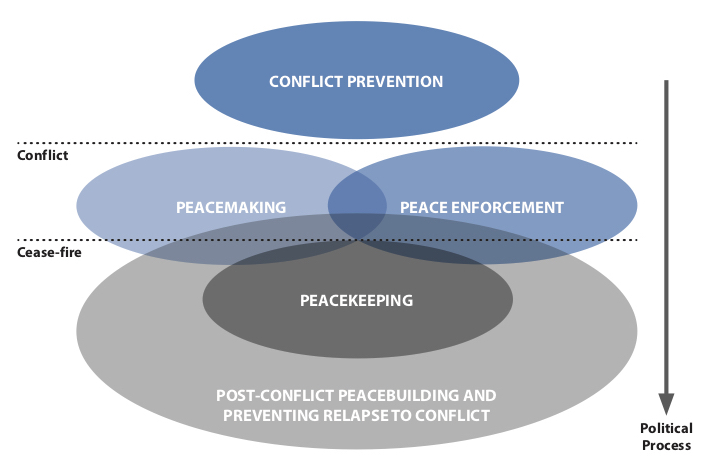
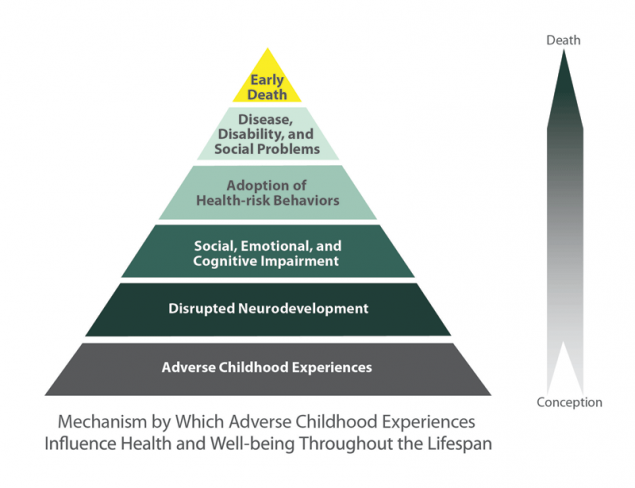
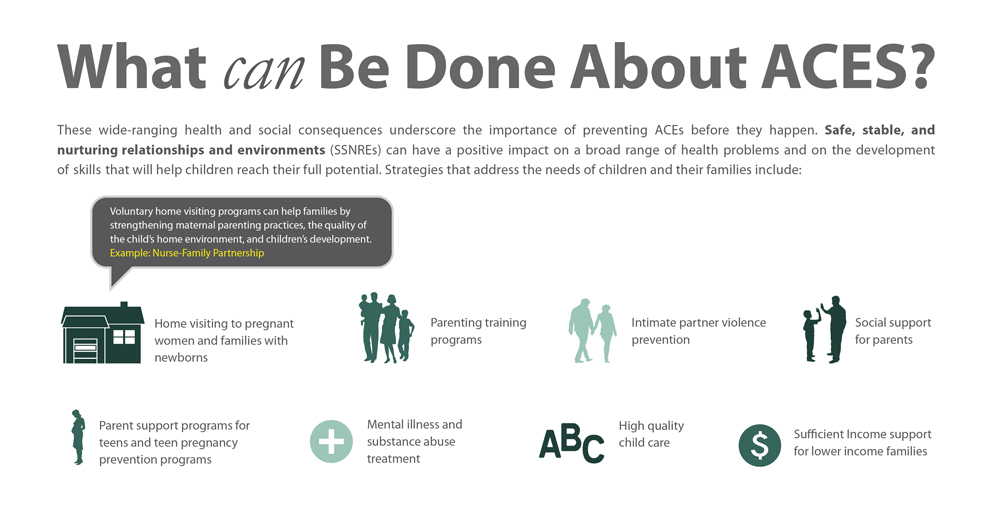
 Stefan Feller